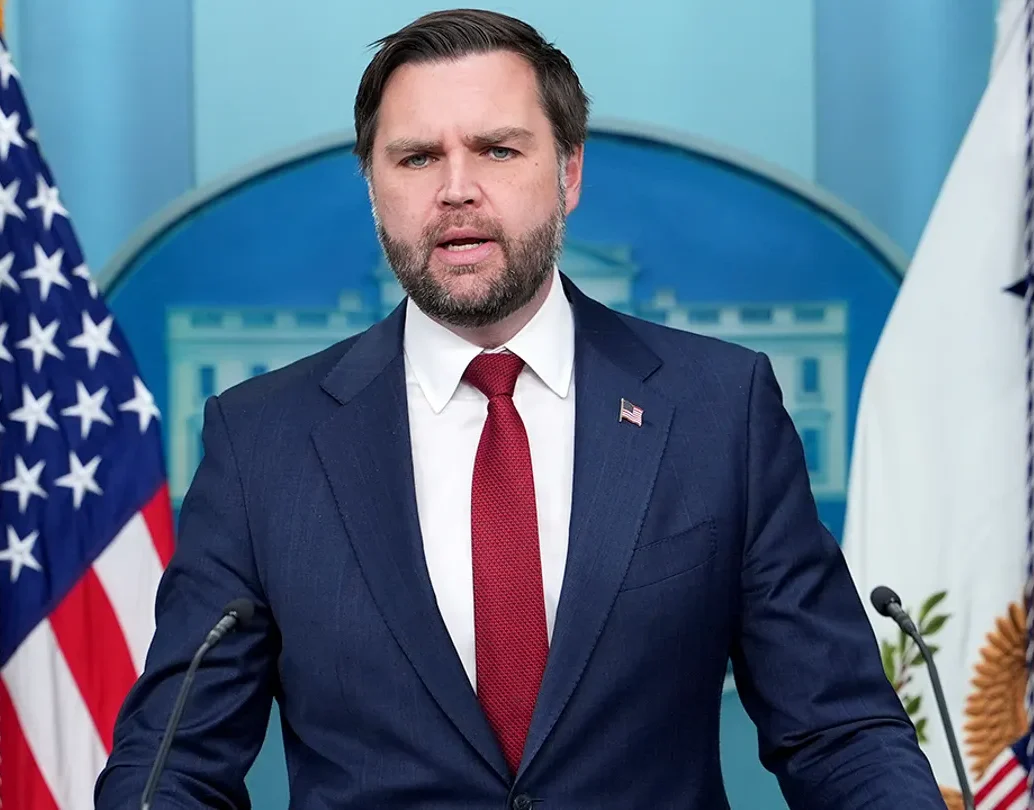
Alright, folks, buckle up because this is a big one. The world’s power players are gathering in Munich, and there’s one thing on everyone’s mind: What exactly is the Trump administration’s game plan when it comes to Ukraine? Vice President JD Vance is leading the U.S. delegation to the Munich Security Conference, but let’s be real—the real focus is on Trump, his call with Putin, and what that means for a war that’s been dragging on for years.
Now, if you thought things were already tense, imagine this: Just hours before Vance was set to meet Ukrainian President Volodymyr Zelenskyy, a Russian drone smashes into the protective shell of the Chernobyl Nuclear Power Plant. No radiation leaks, thank goodness, but the timing? Not exactly subtle. Meanwhile, Secretary of State Marco Rubio was supposed to be at the meeting, too, but his plane had to turn back to Washington because of a mechanical issue. Will he make it to Munich in time? Unclear.
So what’s Trump saying about all of this? Well, in classic Trump fashion, he’s keeping it vague. During his call with Putin earlier this week, he signaled that a negotiated settlement is coming, but here’s the kicker—Ukraine might have to cede territory Russia has taken since the 2014 annexation of Crimea. That’s got European leaders sweating bullets. Trump insists the war needs to end, and quickly. “Young people are being killed at levels that nobody’s seen since World War II,” he said, calling the war “ridiculous.”
Now, here’s where things get even messier. NATO has spent the last two years pumping billions of dollars into Ukraine’s defense, but Trump’s skepticism about that aid has been no secret. European leaders are wondering if they’ll have to pick up the slack, and some are already talking about a future where Europe can’t rely on the U.S. for security. That’s a big deal, folks.
And what about Ukraine’s future with NATO? Don’t hold your breath. Trump all but shut the door on that possibility, saying he doesn’t see “any way” that Russia would allow it. Defense Secretary Pete Hegseth echoed that sentiment, saying that while the U.S. isn’t conceding to Putin, “realities on the ground” mean Ukraine isn’t getting all its land back. In other words, there’s no going back to 2014.
But here’s the twist—Vance, speaking to The Wall Street Journal, made it clear that the U.S. isn’t rolling over. If Putin refuses to make a deal that guarantees Ukraine’s independence, Washington is ready to hit Moscow with sanctions—or even military action. That’s a bold statement from an administration that’s been laser-focused on ending the war.
Zelenskyy, for his part, is trying to stay optimistic but isn’t thrilled that Trump spoke to Putin first. And over in Europe, French officials are warning that if Ukraine falls, the ripple effects could spread beyond Europe—potentially shaking up Asia’s balance of power as well.
And then there’s Trump’s final word on the matter: He trusts that Putin wants peace. “I trust him on the subject,” he said Thursday. “I think he’d like to see something happen.”
So, what happens next? That’s the billion-dollar question.