If you’ve been watching the news cycle this week and feeling like every other headline suddenly involves the Strategic Petroleum Reserve, congratulations—you’re not imagining things. Oil reserves are having a moment. And like most things in Washington, the conversation is equal parts geopolitics, economics, and political theater with a side of finger-pointing.
The backdrop here is the escalating tension involving Iran and the ongoing U.S.–Israel conflict dynamics, which has the global energy market acting about as stable as a shopping cart with a busted wheel. When the Middle East sneezes, the oil market catches a cold, and suddenly everyone from Paris to Washington starts eyeing those emergency barrels stashed underground like they’re the last snacks in the pantry.
Enter the International Energy Agency, that Paris-based club of about 30 countries that gets together when energy markets start behaving badly. Their answer this time? Release a massive 400 million barrels from various national reserves around the world. That’s not exactly pocket change. The idea is pretty simple: flood the market with supply, calm the panic, and keep prices from shooting into orbit.
Meanwhile, back in Washington, the political soundtrack kicked in almost immediately. Senate Minority Leader Chuck Schumer started “demanding” that the U.S. tap its reserves too. Now, it’s always fascinating when a minority leader starts making demands like he’s running the show, but that’s politics for you. Everyone wants to look like they’re steering the ship, even if they’re technically sitting in the back row.
At the same time, Senator Tom Cotton has been asking the Energy Department to take a closer look at what he and others believe were some very convenient releases of oil during the Biden years. The allegation is that those drawdowns weren’t purely about national security or market stability but about making gas prices look a little friendlier heading into the 2024 election cycle. And when you consider that the Strategic Petroleum Reserve hit a 40-year low during that period, it’s not exactly a fringe question.
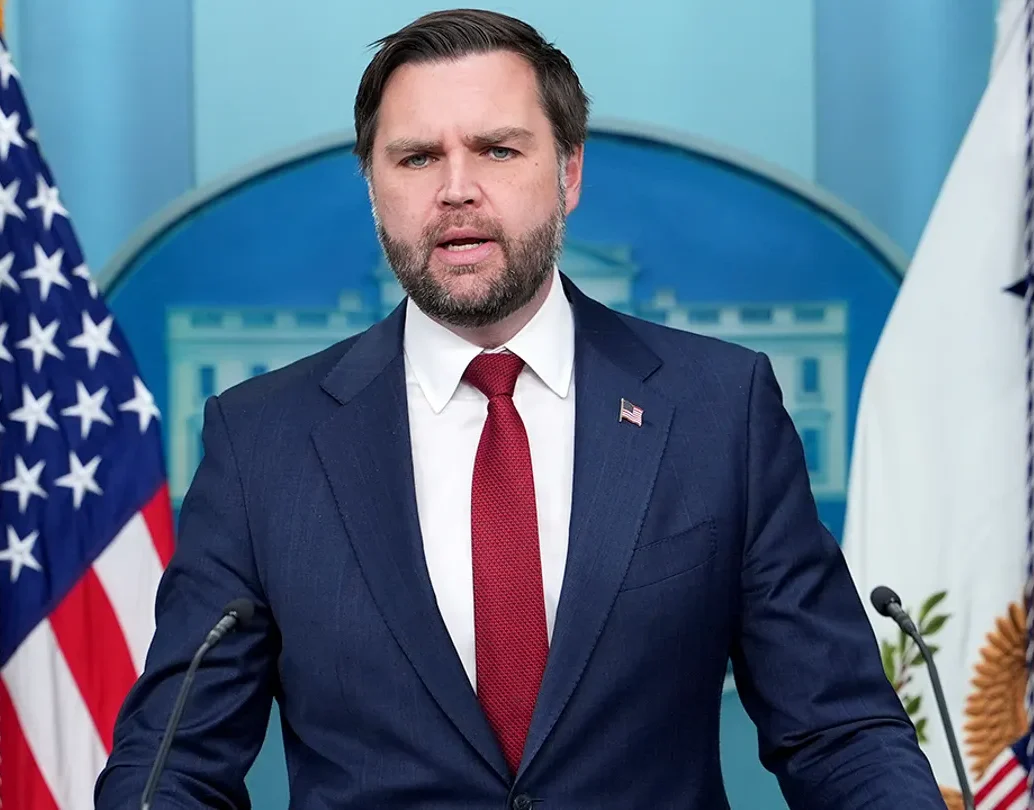
Fast forward to Wednesday afternoon, and President Trump stepped in with a move that’s already generating plenty of headlines: ordering the release of 172 million barrels from the U.S. Strategic Petroleum Reserve. The goal is straightforward—cool down rising gas prices and blunt the impact of the current Middle East tensions on American consumers.
Now here’s the key distinction supporters are highlighting. The Strategic Petroleum Reserve wasn’t originally created as a political pressure valve to smooth out bad polling numbers at the pump. It was designed as a strategic buffer against exactly the kind of geopolitical turmoil we’re seeing right now. Think oil embargoes, war disruptions, and hostile regimes trying to squeeze Western economies by choking off supply.
And that’s precisely the argument coming from the Trump camp. Iran’s remaining leverage in this situation isn’t exactly subtle. One of the few cards left on the table is the ability to rattle global oil shipping routes—especially through the Strait of Hormuz—and send prices skyrocketing. If gas suddenly jumps a dollar or two nationwide, the economic ripple effects show up everywhere from trucking costs to grocery bills.
Trump’s approach appears to be pretty blunt: increase supply now, signal stability to the market, and make it clear that attempts to weaponize oil prices against the United States aren’t going to work.
During a visit to Thermo Fisher Scientific in Cincinnati, Trump put it in simple terms. Tap the reserve now to reduce prices, stabilize the situation, and then refill it later once markets calm down. In other words, use the emergency stash like an emergency stash.
🚨 BREAKING: President Trump has just ordered the Department of Energy to release 172 MILLION BARRELS (5.4B gallons) from the Strategic Petroleum Reserve, per DOE
Trump is using the Reserve for what it was ACTUALLY meant for — preventing hostile nations from blackmailing us… pic.twitter.com/UwpRji2b55
— Nick Sortor (@nicksortor) March 11, 2026
That’s also where the broader Republican energy philosophy starts creeping into the conversation. Instead of treating domestic oil production like some embarrassing relic of the past, the idea is to lean into it. Increase drilling, expand production, and refill the reserve when prices dip again. The phrase “drill, baby, drill” may sound like a campaign rally chant, but the strategy behind it is pretty clear: energy independence reduces the leverage of hostile regimes.
Critics, of course, will argue that tapping reserves carries its own risks and that the U.S. should be transitioning away from fossil fuels faster. Supporters counter that until wind turbines start powering cargo ships and fighter jets, the global economy still runs on oil.
For now, the administration’s bet is that stabilizing the oil market quickly will take away one of Iran’s most effective pressure points. Whether the move works will depend on how markets react over the next few months. But one thing is certain: when the world’s oil supply starts wobbling, the Strategic Petroleum Reserve suddenly becomes the most popular warehouse in America.